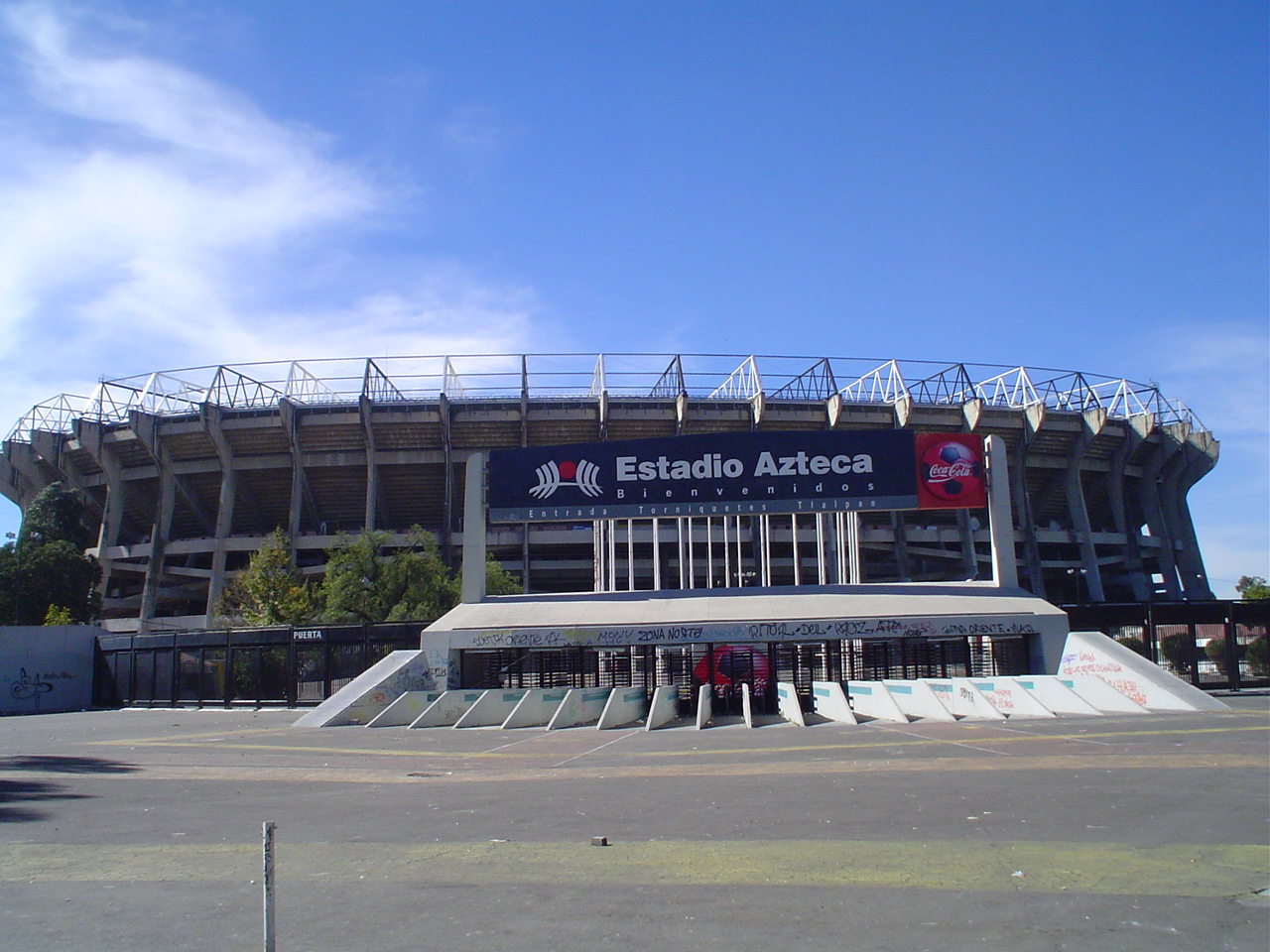
The Coloso de Santa Úrsula: Azteca's Iconic Mundial 2026 Role
Steeped in a legacy as grand as its towering stands, the Estadio Azteca stands poised to once again etch its name into the annals of football history. Revered by fans across the globe, and affectionately known as "El Coloso de Santa Úrsula" or even mythically as "Estadio Banorte," this iconic venue in Mexico City is far more than just a stadium; it's a living monument to the beautiful game. As the world eagerly anticipates the FIFA World Cup 2026, the Estadio Azteca's role is not just significant, but truly unprecedented, promising to deliver a tournament opening ceremony unlike any other. For anyone interested in the upcoming tournament, understanding the Estadio Azteca Mundial involvement is paramount.A Legacy Forged in Football History
The Estadio Azteca's reputation as a football shrine is well-earned, built on decades of unforgettable moments. Opened in 1966, it quickly became a centerpiece of global football, hosting two FIFA World Cup finals – a feat unmatched by any other stadium worldwide. In 1970, it bore witness to Pelé's Brazil, arguably the greatest international team ever assembled, lift the Jules Rimet trophy in a dazzling display of "joga bonito." Sixteen years later, in 1986, the stadium was the stage for another legend, Diego Maradona, whose "Hand of God" and the subsequent "Goal of the Century" against England became defining moments of his extraordinary career, culminating in Argentina's triumph. These legendary tournaments established the Estadio Azteca Mundial status, transforming it into a hallowed ground where footballing myths are born. Its immense capacity, once topping over 100,000 spectators, coupled with its unique atmosphere, creates an electrifying environment that few venues can replicate. Fans fortunate enough to have experienced a match within its walls speak of the palpable energy, the thunderous roars, and the sense of being part of something truly historic. This rich tapestry of footballing heritage makes the Azteca not just a venue, but an integral character in the World Cup narrative, ready to welcome the world for a third time.The Grand Stage for Mundial 2026: An Unprecedented Opening
The excitement surrounding the Estadio Azteca Mundial 2026 participation reaches a fever pitch when considering its headline role: hosting the inaugural match of the tournament on June 11, 2026. This isn't just another game; it's a history-making moment. The Estadio Azteca will become the *first stadium in the world* to host the opening match of three different FIFA World Cups, having previously done so in 1970 and 1986. This unparalleled achievement solidifies its standing as arguably the most important football stadium on the planet when it comes to World Cup lore. Imagine the spectacle: the vibrant colors, the sounds of mariachi, the energy of a nation, all culminating in the kickoff that signals the start of the biggest sporting event in the world. The opening ceremony at the Azteca is expected to be a dazzling fusion of Mexican culture, modern entertainment, and pure footballing passion. It will be a global celebration, a moment when all eyes turn to Mexico City, and the Coloso de Santa Úrsula takes center stage once more. For a deeper dive into this historical achievement, you might be interested in reading Estadio Azteca: Making History with 3 World Cup Openers. The reverberations of this event will be felt far beyond the stadium walls, igniting the spirit of the entire North American continent, which will co-host the tournament alongside the USA and Canada.The Transformation of "El Coloso": Blending Heritage with Modernity
To prepare for its starring role in Mundial 2026, the Estadio Azteca is undergoing significant renovations. The challenge is immense: to modernize a nearly 60-year-old stadium to meet FIFA's stringent contemporary standards, while meticulously preserving the "soul" that makes it so unique. The goal is not to erase its history but to enhance it, ensuring that future generations can experience its magic in comfort and safety. Key aspects of the renovation likely include:- Infrastructure Upgrades: Modernizing electrical systems, plumbing, and data connectivity to support broadcast, media, and advanced fan experiences.
- Accessibility Enhancements: Improving access for spectators with disabilities, including ramps, elevators, and dedicated seating areas.
- Fan Experience Zones: Creating new hospitality areas, improving concessions, and upgrading seating to enhance comfort and views.
- Security and Safety Systems: Implementing state-of-the-art surveillance, crowd management, and emergency response protocols.
- Pitch Renovation: Ensuring a world-class playing surface that meets FIFA's exacting standards.
- Sustainability Initiatives: Incorporating environmentally friendly practices in energy consumption, waste management, and water usage.
Experiencing the Azteca: Tips for Mundial 2026 Attendees
For those planning to witness the Mundial 2026 matches at the Estadio Azteca, a little preparation goes a long way towards maximizing your experience. Mexico City is a vibrant, sprawling metropolis, and navigating it during a global event requires some foresight.Getting to the Stadium:
The Estadio Azteca is located in the southern part of Mexico City. While driving can be an option, traffic will undoubtedly be heavy on match days, and parking can be challenging. We highly recommend:
- Public Transportation: The Mexico City Metrobus Line 1 (Insurgentes Sur) and the Light Rail (Tren Ligero) connect to the stadium. Look for the Estadio Azteca station on the Light Rail. This is often the most efficient way to get there, but expect crowded conditions.
- Ride-sharing Services: Uber, Didi, and other ride-sharing apps are widely available, but surge pricing and traffic delays are likely. Plan to depart well in advance of kickoff.
- Official World Cup Shuttles: It’s highly probable that official shuttle services will be organized from various points in the city to the stadium. Keep an eye on FIFA and local organizing committee announcements closer to the event.
At the Stadium:
- Arrive Early: To soak in the atmosphere, clear security, and find your seats without rushing, plan to arrive at least 2-3 hours before kickoff.
- Stay Hydrated: Mexico City's altitude (over 7,300 feet above sea level) can be taxing. Drink plenty of water throughout the day.
- Cash and Cards: While credit cards are widely accepted, having some Mexican Pesos on hand for smaller purchases or street vendors can be useful.
- Security: Be prepared for stringent security checks. Familiarize yourself with FIFA's prohibited items list beforehand to avoid delays.
- Embrace the Culture: Beyond the match, explore the food, music, and merchandise vendors around the stadium. It's part of the unique Azteca experience.