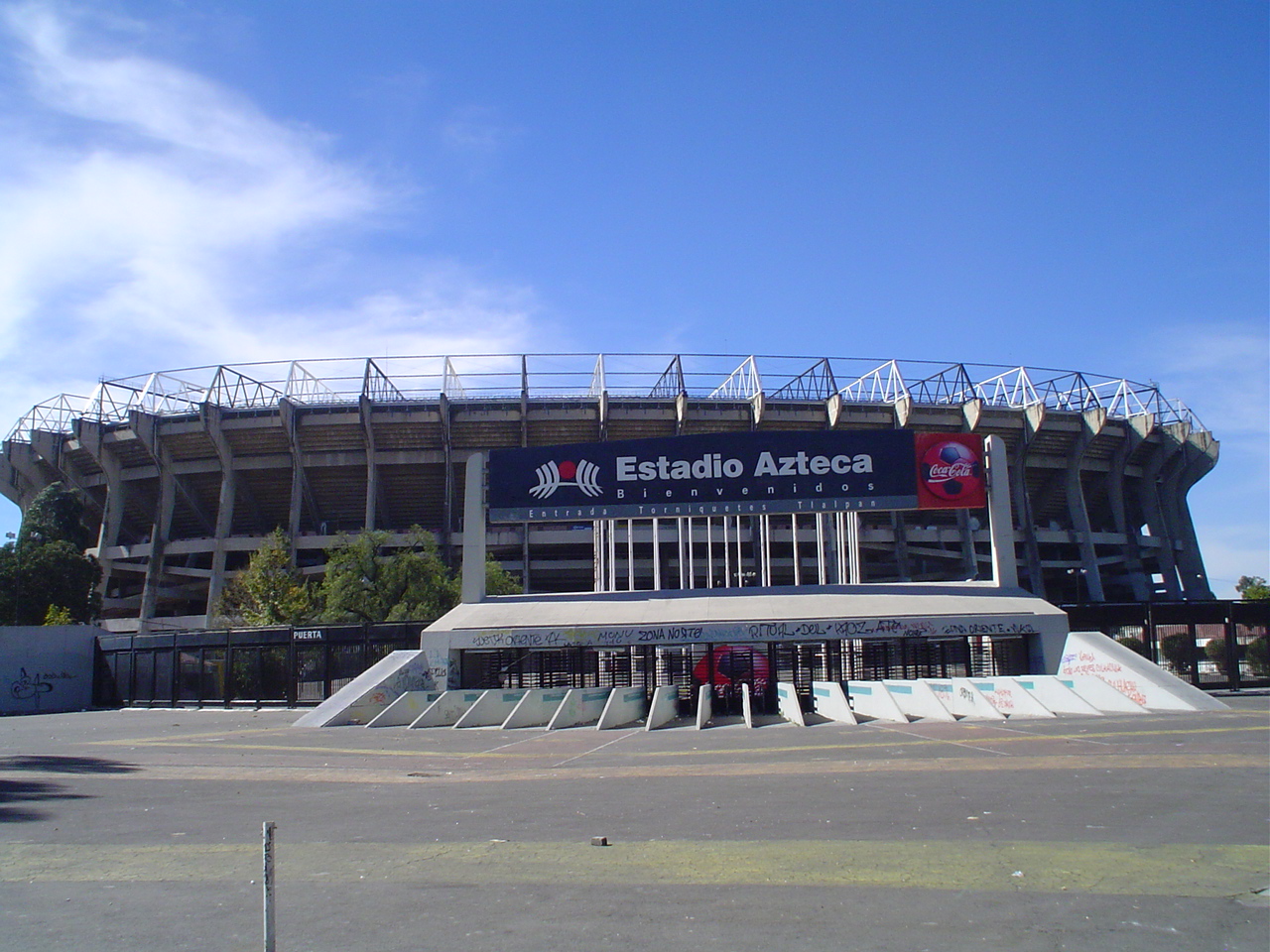
Estadio Azteca: A Global Icon Forging History with Three World Cup Openers
Mexico City's legendary Estadio Azteca isn't just a football stadium; it's a living monument to the sport's most glorious moments. As the world eagerly anticipates the FIFA World Cup 2026, the spotlight once again turns to this iconic venue, ready to cement its unparalleled status in football history. The Estadio Azteca is poised to achieve an extraordinary feat, becoming the first stadium ever to host three World Cup opening matches. This unprecedented accomplishment solidifies its place as arguably the most significant venue in the beautiful game's global narrative, making the upcoming Mundial 2026: What to Know About Estadio Azteca an even more compelling event for fans worldwide.
From its colossal architecture to the electric atmosphere it generates, the Estadio Azteca Mundial heritage is a tapestry woven with unforgettable drama, heroic performances, and the roar of millions of passionate fans. Known affectionately as "El Coloso de Santa Úrsula" (The Colossus of Santa Úrsula), this grand arena has been the stage for some of football's most defining chapters, and its role in the upcoming tri-national tournament will undoubtedly add several more golden pages.
A Legacy Forged in World Cup History
The Estadio Azteca's storied past is inextricably linked with the FIFA World Cup. It stands as a hallowed ground where legends were born and history was irrevocably altered. Its imposing structure, once the largest football stadium in the world, has a seating capacity that has consistently dwarfed many of its contemporaries, allowing countless fans to bear witness to footballing greatness.
- Mexico 1970: The Pelé Era Begins
The Estadio Azteca first burst onto the international scene as the principal venue for the 1970 FIFA World Cup. On May 31, 1970, it hosted the tournament's opening match, a spirited encounter between hosts Mexico and the Soviet Union. While the game ended in a goalless draw, it set the stage for one of the most celebrated World Cups in history. It was within the Azteca's colossal bowl that Pelé and his mesmerising Brazilian squad showcased "the beautiful game" like never before, culminating in a dominant 4-1 final victory over Italy, securing Brazil's third Jules Rimet Trophy. The image of Pelé hoisted aloft by his teammates remains one of the defining images of the 20th century. - Mexico 1986: Maradona's Divine Touch
Sixteen years later, the Estadio Azteca Mundial narrative continued with the 1986 FIFA World Cup. Once again, Mexico hosted, and once again, the Azteca took center stage, including the opening match on May 31, 1986, where Italy faced Bulgaria in a 1-1 draw. However, it was Diego Maradona's tournament. The Argentine maestro delivered a series of performances that transcended sport, highlighted by his two legendary goals against England in the quarter-finals – the infamous "Hand of God" and the breathtaking "Goal of the Century." Maradona then led Argentina to a thrilling 3-2 victory over West Germany in the final, lifting the World Cup trophy in the very same stadium where Pelé had triumphed, further cementing the Azteca's status as a venue for footballing deities.
These two tournaments, both culminating in iconic moments at the Azteca, instilled an almost mythical quality to the stadium. Its unique altitude and vast stands contribute to an atmosphere that can be both intimidating for visiting teams and incredibly inspiring for local heroes.
Mundial 2026: A Third Golden Chapter for Estadio Azteca
The upcoming FIFA World Cup 2026, co-hosted by the United States, Canada, and Mexico, promises to be the largest and most expansive tournament in history. Among the 16 host cities, the Estadio Azteca stands out as the most historic and representative venue. Its selection as a host stadium was always a given, but its role in the tournament's opening day is what truly sets it apart.
On June 11, 2026, the world's gaze will once again fall upon the Coloso de Santa Úrsula. Not only will it host the grand inauguration ceremony, but it will also stage the very first match of the 2026 tournament. This event will indelibly etch the Azteca's name into the annals of football with "letters of gold," as it becomes the *first stadium in history* to have hosted three separate World Cup opening games. This incredible achievement underscores its enduring significance and its unwavering connection to the sport's global spectacle.
While sometimes referred to by its commercial designation, Estadio Banorte, its mythical name, Estadio Azteca, and its affectionate moniker, the Coloso de Santa Úrsula, are what truly resonate with fans and historians alike. This continuity ensures that the soul of Mexican football will be on full display for a worldwide audience. The preparations for The Coloso de Santa Úrsula: Azteca's Iconic Mundial 2026 Role are already underway, aiming to blend modern amenities with its cherished legacy.
Beyond the Pitch: The Cultural Heartbeat of Mexican Football
The Estadio Azteca is more than just concrete and steel; it's a vibrant symbol of Mexican national identity and passion for football. For generations, it has been the spiritual home of the Mexican national team and Club América, one of the country's most popular clubs. The roar of its massive crowd, particularly during critical matches, is an experience unlike any other, creating an almost palpable energy that reverberates through the entire stadium.
Preparing for the Global Spotlight: Modernization and Preservation
Hosting a modern World Cup demands state-of-the-art facilities, and the Estadio Azteca is undergoing significant renovations to meet FIFA's stringent requirements for 2026. These upgrades will encompass everything from spectator seating and hospitality areas to pitch quality, media facilities, and crucial infrastructure like transportation access and security. However, great care is being taken to ensure that these modernizations do not strip away the stadium's unique "alma" or soul. The goal is to enhance the fan experience while preserving the historic character that makes the Azteca so special. This balance between tradition and innovation is key to its continued appeal.
The planning for the Estadio Azteca Mundial matches involves meticulous attention to detail, from crowd management to ensuring a seamless experience for international visitors. The stadium's capacity, which remains one of the largest in the world, ensures that hundreds of thousands will have the opportunity to witness history unfold.
Tips for Experiencing the Coloso de Santa Úrsula
For fans planning to attend World Cup matches at the Estadio Azteca in 2026, here are some practical tips to enhance your experience:
- Transportation: Mexico City's public transport system is extensive. The easiest way to reach the Azteca is via the Tren Ligero (Light Rail) from Tasqueña station (which connects to the Metro). The stadium has its own stop, "Estadio Azteca." Taxis and ride-sharing services are also widely available but be mindful of traffic on match days.
- Tickets: World Cup tickets are typically managed through FIFA's official channels. Be vigilant about unofficial vendors. Purchase tickets only from authorized sources to avoid scams.
- Arrive Early: To soak in the pre-match atmosphere, navigate security, and find your seats without rush, plan to arrive at least 2-3 hours before kick-off. The surrounding areas often buzz with street vendors, food, and fan festivities.
- Altitude: Mexico City sits at over 2,240 meters (7,350 feet) above sea level. This can affect visitors unaccustomed to high altitudes. Stay hydrated, avoid excessive alcohol, and take it easy on your first day or two.
- Local Flavor: Don't miss the opportunity to try local street food around the stadium. Tacos, tortas, and esquites (corn in a cup) are popular choices, but ensure they are from reputable, busy vendors.
- Safety: Like any major city, be aware of your surroundings. Keep valuables secure, especially in crowded areas. Utilize official transport options.
Conclusion
The Estadio Azteca's upcoming role in the FIFA World Cup 2026 is a testament to its enduring legacy and unparalleled importance in global football. By hosting an unprecedented third World Cup opener, it is not merely repeating history but making it anew. The Coloso de Santa Úrsula continues to be a vibrant stage where dreams are realized, legends are forged, and the unifying power of football is on full display. For fans, players, and the nation of Mexico, the Estadio Azteca Mundial experience in 2026 will undoubtedly add another unforgettable chapter to this iconic stadium's already illustrious story.